Google Ads that deliver measurable value
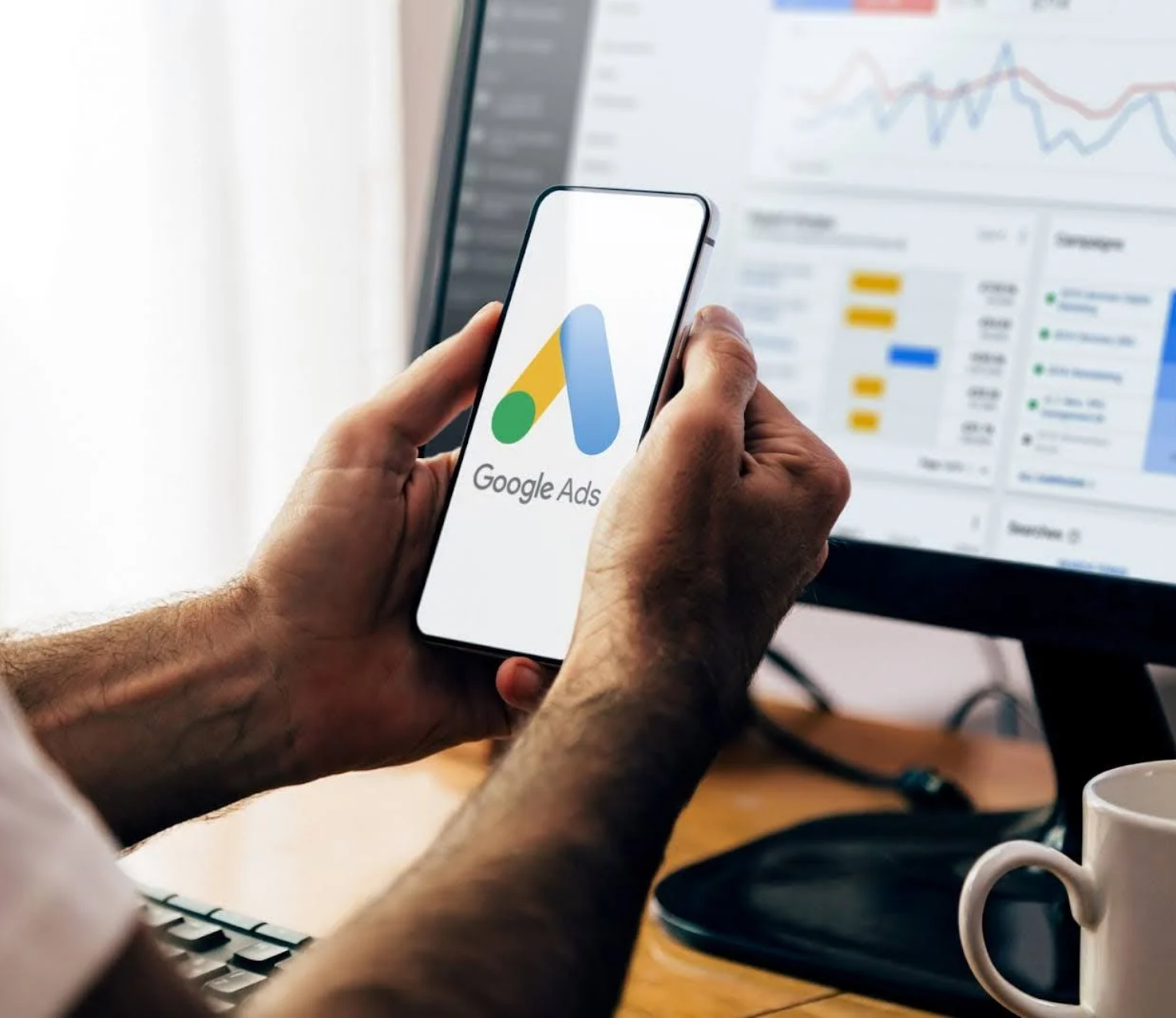
Google Ads can put your business in front of customers right when they are searching for your products or services. When set up thoughtfully and managed carefully, it helps attract visitors who are ready to engage, whether that means making a purchase, booking a service, or simply learning more about what you offer.
Because Google Ads works on a pay-per-click basis, you only spend money when someone interacts with your ad. This control over spend, combined with precise targeting, makes it a practical choice for businesses looking to maximise their marketing budget.
Why use Google Ads?
- Instant presence: Appear on the first page of Google search results immediately, giving your business visibility while other channels build momentum.
- Precise targeting: Reach potential customers based on location, demographics, interests, device type, and search behaviour.
- Budget flexibility: Start with a budget that suits your business and scale up or down as you see what works.
- Clear accountability: Track clicks, calls, and conversions so you know exactly where your investment is going.
Types of Google Ads
- Search Ads: These are the ads that appear right at the top of Google’s search results when someone types in a query related to your business. They connect you directly with people actively looking for the products or services you offer, the classic “intent-driven” audience. Because these users have a clear purpose, search ads can help bring highly relevant traffic to your site quickly. Think of it as meeting customers at the exact moment they are ready to act.
- Display Ads: Display ads are visual banner or image ads that show up across a vast network of websites, apps, and even within Gmail. These are ideal for increasing brand awareness, introducing your business to a wider audience, or gently reminding previous visitors about your products or services. Unlike search ads, display ads target users based on interests, demographics, or browsing behaviour, helping you stay visible even when people aren’t actively searching.
- YouTube Ads: YouTube is the world’s second largest search engine and a hub for video content. Video ads can run before, during, or after YouTube videos, offering a powerful way to engage your audience with storytelling, demonstrations, or product showcases. They are particularly useful for building emotional connections and explaining complex products or services in a digestible, entertaining format.
- Shopping Ads: For e-commerce businesses, Shopping ads show your products directly in Google’s search results with images, prices, and other key details. These ads make it easy for potential customers to see exactly what you offer before they even click. They help bring qualified, purchase-ready visitors straight to your online store, supporting quicker buying decisions.
- Performance Max Campaigns: Performance Max is a newer, more automated campaign type that leverages Google’s machine learning to place your ads across multiple platforms, Search, YouTube, Display, Gmail, and more. It’s designed to maximise conversions by finding the best-performing ad placements and audiences based on your specific goals. This option can be helpful for businesses that want to explore a broad approach without managing multiple individual campaigns.
How Google Ads support your business
- Tailored campaigns: Ads are crafted and targeted to fit your specific audience and business objectives, ensuring relevance and efficiency.
- Ongoing optimisation: Campaigns are monitored and adjusted regularly to improve performance and get the best possible return from your budget.
- Transparent reporting: You receive clear, straightforward insights into how your campaigns are performing so you can make informed decisions.
- Expert guidance: You benefit from experienced management that understands the local market and how to connect with your ideal customers.
Google Ads can be a powerful tool when used with focus and care. If you want to explore how paid search and display ads can fit into your marketing, reach out to start a conversation.
.svg)